Europa Air & Sea and The Works start a new chapter

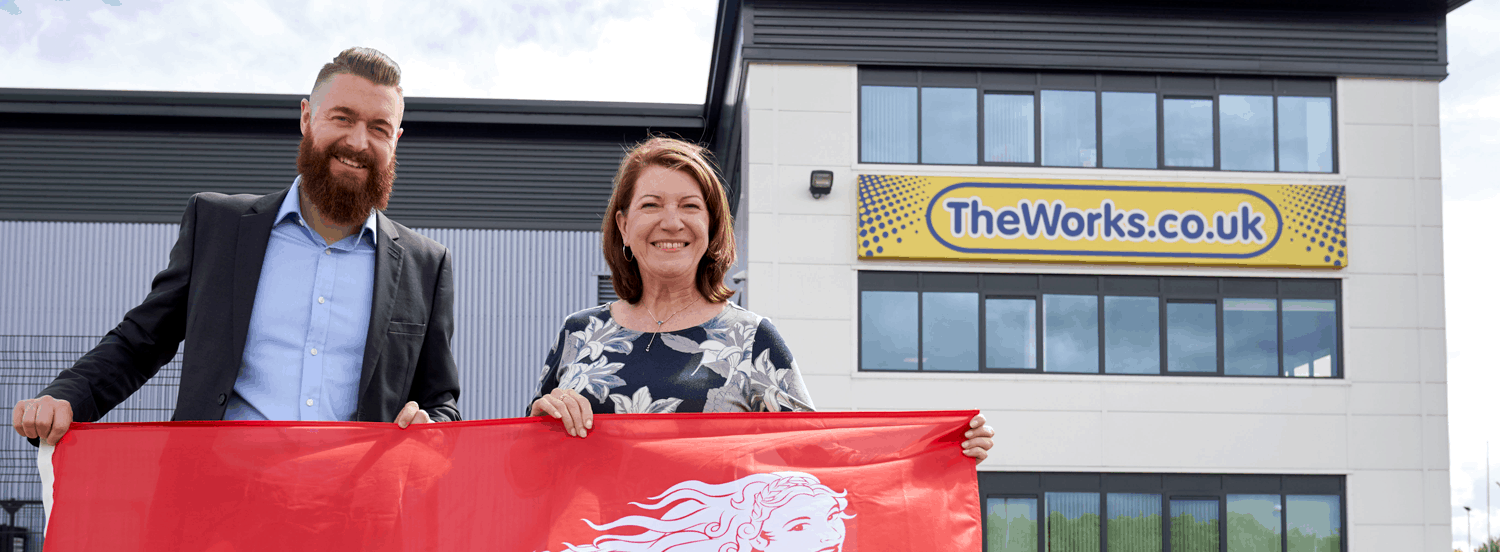
Europa Air & Sea and The Works start a new chapter, with the brand’s Air & Sea division securing a new long-term agreement with existing client, The Works Stores Ltd.

The leading logistics firm will oversee and manage the retailer’s inbound movements via the Europa Air & Sea division.

Client background

The Works is one of the UK’s leading multi-channel specialist retailers of value books, arts, crafts, toys, gifts and stationery.

The company employ over 3,000 people and have 500 stores across the UK. The Works serves 22.5 million people each year, with more than 40,000 different products sold annually.

Long-term partnership

The agreed long-term partnership follows a strong and established four-year relationship between The Works and Europa Air & Sea.

Going forward, Europa Air & Sea will handle The Works’ inbound supply chain from various worldwide origins.

The team will utilise Europa’s full Order Management system to give The Works full transparency from supplier to door.

Comment from Angus Hind, Europa Air & Sea Director
“I am delighted that Europa Sea has been able to extend our partnership with The Works. This is testament to the dedication and commitment that the team have shown over the last four years.

“It has resulted in a close working relationship especially during a period of uncertainty in the market, with issues surrounding haulage, fuel emissions regulations and available space.

“I believe that Europa Air & Sea has navigated carefully and thoughtfully through this time and, as a result, clients like The Works can recognise our passion and tailored service.

“This is an exciting period of growth for The Works, opening 50 new stores during 2019. In a competitive high street, it is imperative that stores stand out and excite their customers.

“Value retailers can do just that, which is why The Works’ popularity prevails. We look forward to supporting The Works on their journey.”

Comment from Janet Du Boulay, Head of Supply at The Works
“We are always impressed by Europa Air & Sea’s dedication to the success of our business and quality of service.

Our experience to date meant that we had no hesitation to ask Europa to support all of our logistics operations.

“This includes handling our inbound supply chain to worldwide shipping. We look forward to working together as the business continues to grow.”

Europa Air & Sea is going from strength to strength since launching in 2015, with offices in the UK and Hong Kong and a turnover in 2018 of £35 million.

It has been four years since Europa centralised its Air services in Heathrow and its Sea services in Birmingham.

The division aims for further growth this year, with the intention of embedding at least one Air & Sea Business Development Manager at each of Europa Road’s European road freight branches throughout the UK.

Europa Worldwide Group is a specialist road, air & sea, warehouse and showfreight operator employing more than 900 people across its 16 sites in the UK, as well as Hong Kong and Belgium, with representation in 100 countries.
From 1 July 2026, new rules will come into effect for many vans and light goods vehicles used for international European transport. The changes may affect how some express van movements are planned, priced and delivered, especially over longer distances, across Europe.

Europa Road are preparing for the change and working closely with our supplier network, branches and customers to keep urgent European freight moving safely and compliantly.

Here’s what’s changing, what it means for customers, and how you can prepare.


What is changing in July 2026?

Many light goods vehicles in the 2.5 to 3.5 tonne category, used for international transport will need to be fitted with a second-generation smart tachograph.

A tachograph records key driver activity, including driving time, breaks and rest periods. These systems are already common in heavier goods vehicles, but the rules are now being extended to cover a wider part of the van market.

In practical terms, this means some European van drivers will need to follow regulated driving hours and rest periods in a more formal way.

That matters because express van services have often been chosen for their speed, flexibility and direct routing. When regulated breaks and rest periods apply, some longer journeys may take more time to complete.


Why is the change happening?

The change is being introduced to improve safety, driver welfare and compliance across European road transport.

Van drivers can cover long distances across Europe, often under time pressure. The new rules are designed to reduce fatigue, improve rest standards and create a more consistent approach across the market.

For responsible operators, this is a positive step. Safe, compliant transport protects drivers, customers, suppliers and everyone using the road.

It does, however, mean the market needs to adjust.


Who is affected?

The change mainly affects operators and drivers using light goods vehicles over 2.5 tonnes for international European transport.

Customers may also feel the impact if they use urgent European van services, particularly for:

  • Regular express van movements
  • Time-critical European deliveries
  • Automotive or production line support
  • Medical or high-priority goods
  • Small pallet shipments that need direct transport
  • One-off urgent shipments that can’t wait for a standard departure

If your business uses express vans for speed, certainty and dedicated delivery, it’s worth reviewing your requirements before the change takes effect.


What could this mean for customers?

Europa’s Express Van service will remain available, but some movements may need to be planned differently.

The main areas customers may notice are transit times, pricing and availability.

Transit times may change

For shorter European routes, the impact may be limited.

Longer journeys are more likely to be affected. The further the destination, the more likely it is that regulated breaks and rest periods will affect the overall transit time.

That doesn’t mean express van stops being fast. It remains a dedicated, direct service. Your shipment is collected and taken directly to its destination, rather than moving through a groupage network.

Rates may be affected

The wider market is also likely to see pricing changes.

Operators may face extra costs linked to fitting tachographs, managing compliance, training drivers and planning routes around regulated driving hours. Vehicle productivity may also change, as drivers may not be able to cover the same distance in the same time as before.

As a result, rates for some express van movements may change from July 2026.

We’ll continue to review each movement carefully and provide the best available option based on timing, route, shipment size and customer need.

Availability may tighten

Some smaller operators may find the new requirements harder to manage, especially if they need to invest in vehicle updates and new compliance processes.

This may reduce availability in parts of the European van market, particularly in the early stages of the change.

That’s why early planning matters. The sooner we know about an urgent shipment, a regular lane or a fixed customer requirement, the more time we have to review the best route and service option.


Could groupage be a better option?

In some cases, yes.

If a shipment has more flexibility, groupage may be a better fit. It can offer a cost-effective way to move goods across Europe when the delivery window allows.

For other shipments, Express Van may still be the right answer. This is especially true when the goods are urgent, high priority or need a dedicated vehicle from collection to delivery.

The key is choosing the right service for the shipment.

Europa can help you compare your options, including Express Van, groupage, part load and full load. We’ll look at the route, timings, shipment size and delivery requirements before advising on the best fit.


How customers can prepare

The best way to prepare is to review your urgent European freight needs early.

Here are a few practical steps to take now.

Review your regular European van movements

If you book express vans regularly, look at the routes, weights, delivery deadlines and frequency. This will help identify which movements are most likely to be affected.

Speak to your Europa contact early

If you know a shipment is time-critical, tell us as soon as possible. Early notice gives us more time to check availability, confirm timings and recommend the right service.

Build in extra planning time where possible

For urgent shipments, every hour can matter. Planning ahead can help reduce pressure and give your team more options.

Check whether every shipment needs a dedicated van

Some movements will still need Express Van. Others may work through groupage, part load or full load, depending on timing and budget. We can help you decide.

Share the full shipment details

Clear information helps us quote and plan properly. Wherever possible, share the collection point, delivery point, weight, dimensions, deadline and any special requirements at the start.


What Europa Road is doing

Europa Road is preparing for the change and will continue to support urgent European freight.

Our teams are reviewing the impact on transit times, rates and availability. We’re also working with branches and customer-facing teams so they can give clear guidance when customers need it.

Europa Express Van will remain part of our European Road freight service. It will continue to support customers who need dedicated, direct transport when time matters.

As the market adjusts, we’ll keep reviewing the best available options for customers and help them plan with confidence.

If you use Express Van regularly, or you know you have urgent European movements coming up, speak to your Europa contact. We’ll help you review your options and find the right route for your freight.

Frequently asked questions

From 1 July 2026, new rules will apply to many light goods vehicles over 2.5 tonnes used for international European transport.

These vehicles will need to be fitted with a smart tachograph. Drivers will also need to follow regulated driving hours, breaks and rest periods.

This brings parts of the European van market closer to the rules already used for larger road freight vehicles.

A tachograph is a device fitted to a vehicle to record driver activity.

It records things such as driving time, breaks and rest periods. This helps make sure drivers are following the right rules and getting the rest they need.

The change is being introduced to improve road safety, driver welfare and compliance.

European van drivers can cover long distances, often under pressure to deliver quickly. The new rules are designed to reduce driver fatigue and create a more consistent standard across the market.

Yes. Europa Express Van will continue.

It will still be available for urgent, dedicated European movements where customers need direct transport and close shipment control.

Some movements may need to be planned differently, especially where longer driving distances are involved.

Some transit times may change.

Shorter European routes may see less impact. Longer routes are more likely to be affected because drivers will need to follow regulated breaks and rest periods.

Europa will review each movement carefully and advise on the best available option based on the route, timing and shipment details.

Rates may change for some express van movements.

The wider market is likely to face additional costs linked to tachograph fitting, compliance, driver planning and vehicle availability.

Europa will continue to quote based on the shipment requirements and will work with customers to find the right balance between timing, service and cost.

No. The change is mainly linked to certain light goods vehicles over 2.5 tonnes used for international transport.

It won’t affect every European shipment in the same way. Groupage, part load and full load services may still be suitable, depending on the goods, route and delivery deadline.

Europa can help you choose the right option.

If you use Express Van regularly, or you know you have urgent European movements coming up, speak to your Europa contact as early as possible.

It helps to share:

  • Collection and delivery addresses
  • Shipment weight and dimensions
  • Required delivery date and time
  • Any special handling needs
  • How flexible the delivery window is

The more information we have, the better we can advise on the right option.

Get ahead of the changes. Speak to a European road freight expert today.
Share the Post:

You may also like